Mye om og menn
This is an exhibition that partly addresses gender bias in the art world, but it is also a collection of conceptual contemporary artists who use words and text in their works.
Throughout history, it has been considerably more demanding for a woman to obtain an education, build a career, and sell her art, and as a result, much important art by women has likely been lost to posterity — either by not being sold and properly preserved, or because artistic careers were not allowed to develop to their full potential. It will be impossible to correct the imbalance found in public collections as a consequence of this. But one can attempt to fill the gaps that it is still possible to fill. In practice, this means revisiting recent art history and assessing which artists have been overlooked and should have been included in public collections. Correcting the imbalance in collections by almost exclusively acquiring contemporary art made by women is not a remedy for addressing historical inequality — it can create a new imbalance that the next generation will in turn have to correct. This is something that should arguably be done at all times; every generation should look critically at the priorities of the previous one. But adopting an inversely proportional approach does not redress the imbalances of previous generations — it quickly creates a new one.
For a long time, this exhibition carried the working title Many Men. In December 2017, the Astrup Fearnley Museum announced its programme for its 25th anniversary year: a series of eight exhibitions presenting eight artistic practices, drawn largely from the collection — six men, one artist duo, and one woman. To compensate for the uneven gender balance, they had evidently planned a group exhibition of works from the collection made by women. Due to a communication mishap, it was launched under the title Many Women — a title that was most likely an internal working title, and one that reveals an awareness of the imbalance in the exhibition programme and the intention to address it through this group show. It is a well-known institutional strategy: if solo exhibitions have been given to a series of male artists, a group exhibition is organised for women. That said, it must be acknowledged that Astrup Fearnley has since had new leadership and has substantially revised its programming.
Many Men was originally planned for early summer 2021, but was cancelled due to the lengthy lockdowns of the pandemic year. I chose to revisit it in 2022, rework it somewhat, and in a conversation with Jan Christensen the title Mye om og menn (All About Men) emerged.
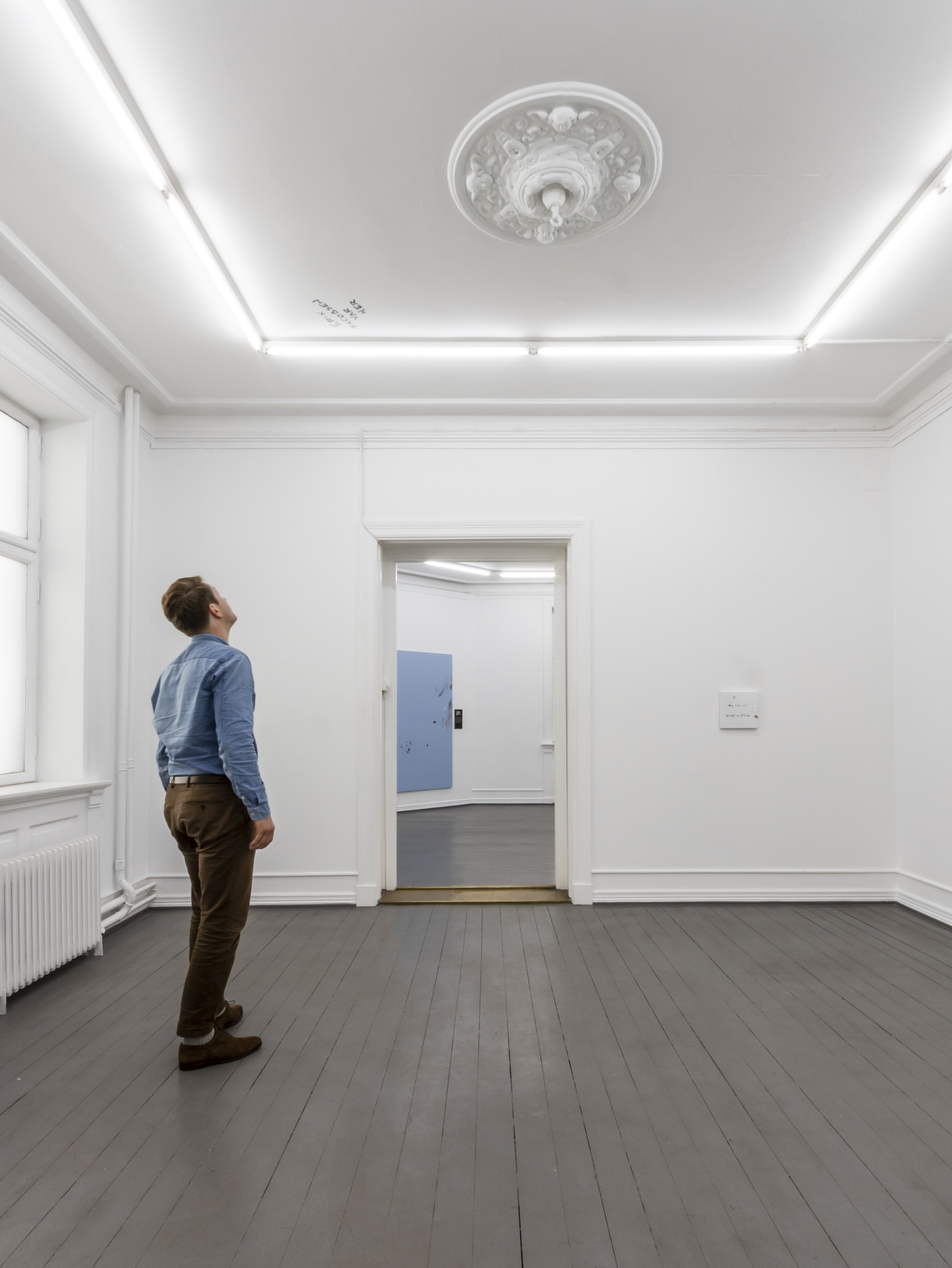
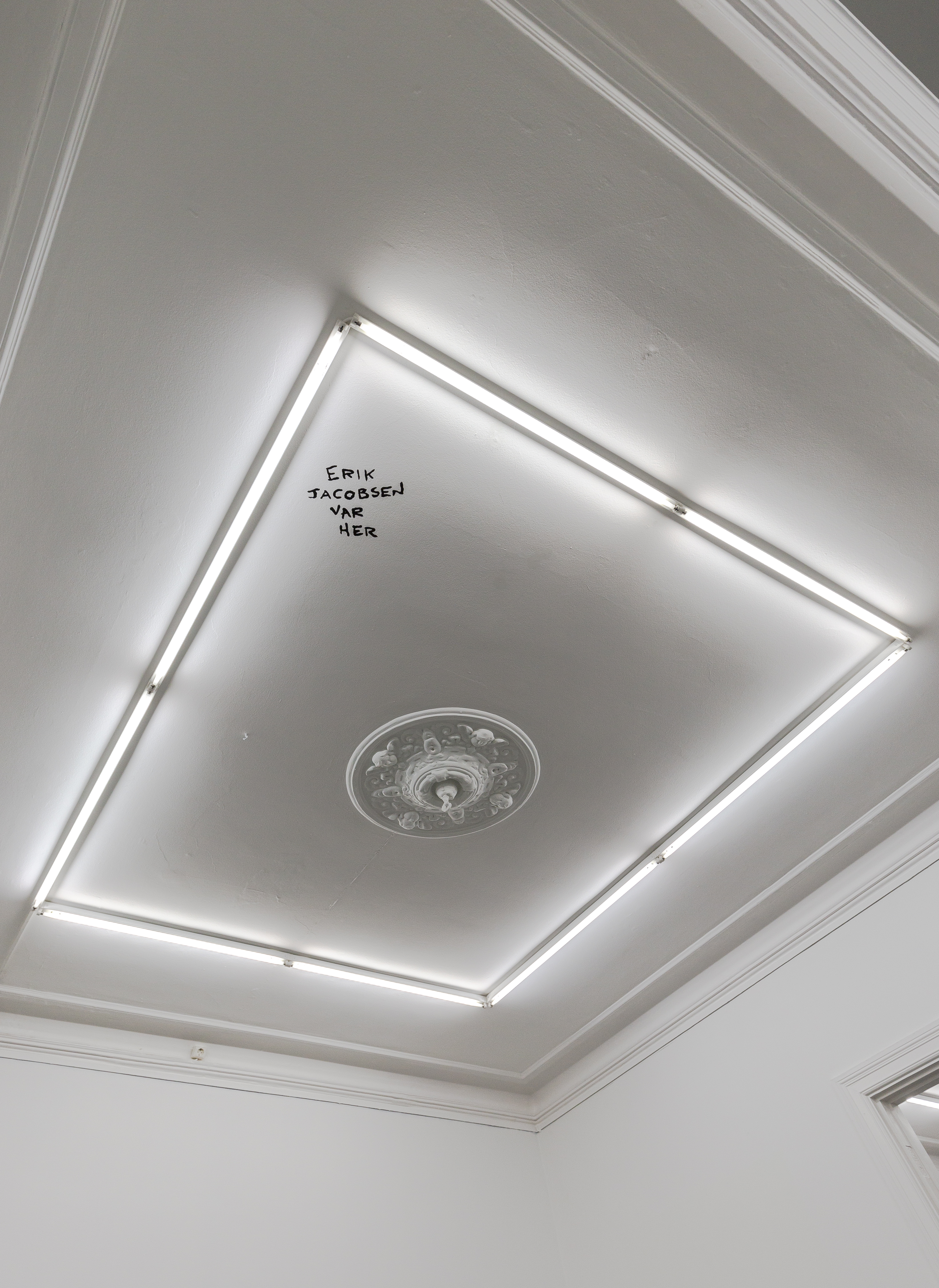
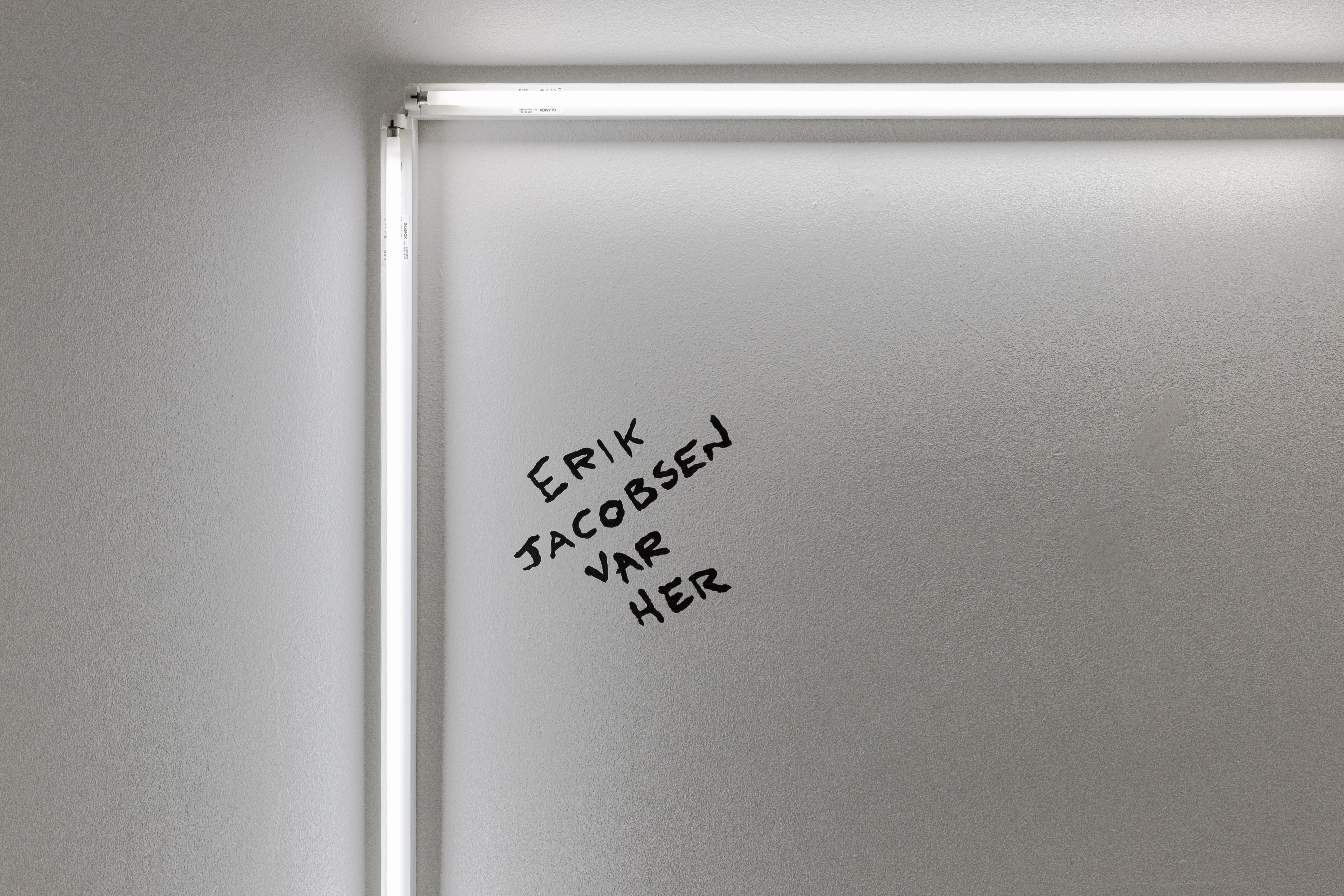
Jan Christensen (b. 1977, Denmark) posted a photograph from an installation in 2019, in which a small text had been painted on the ceiling: Erik Jacobsen was here. The artist chooses to return to this earlier reference — cultural journalist Erik Jacobsen — and recreates the fleeting moment from social media. This is a work about seeking attention and tagging. The act of immortalising this moment is also a homage to the cultural journalism that Erik Jacobsen represented throughout his long tenure at NRK. Christensen maintains an unusually active and engaged practice, both internationally and nationally, as an artist, curator, and through various positions. Jan Christensen lives and works in Oslo and Berlin.
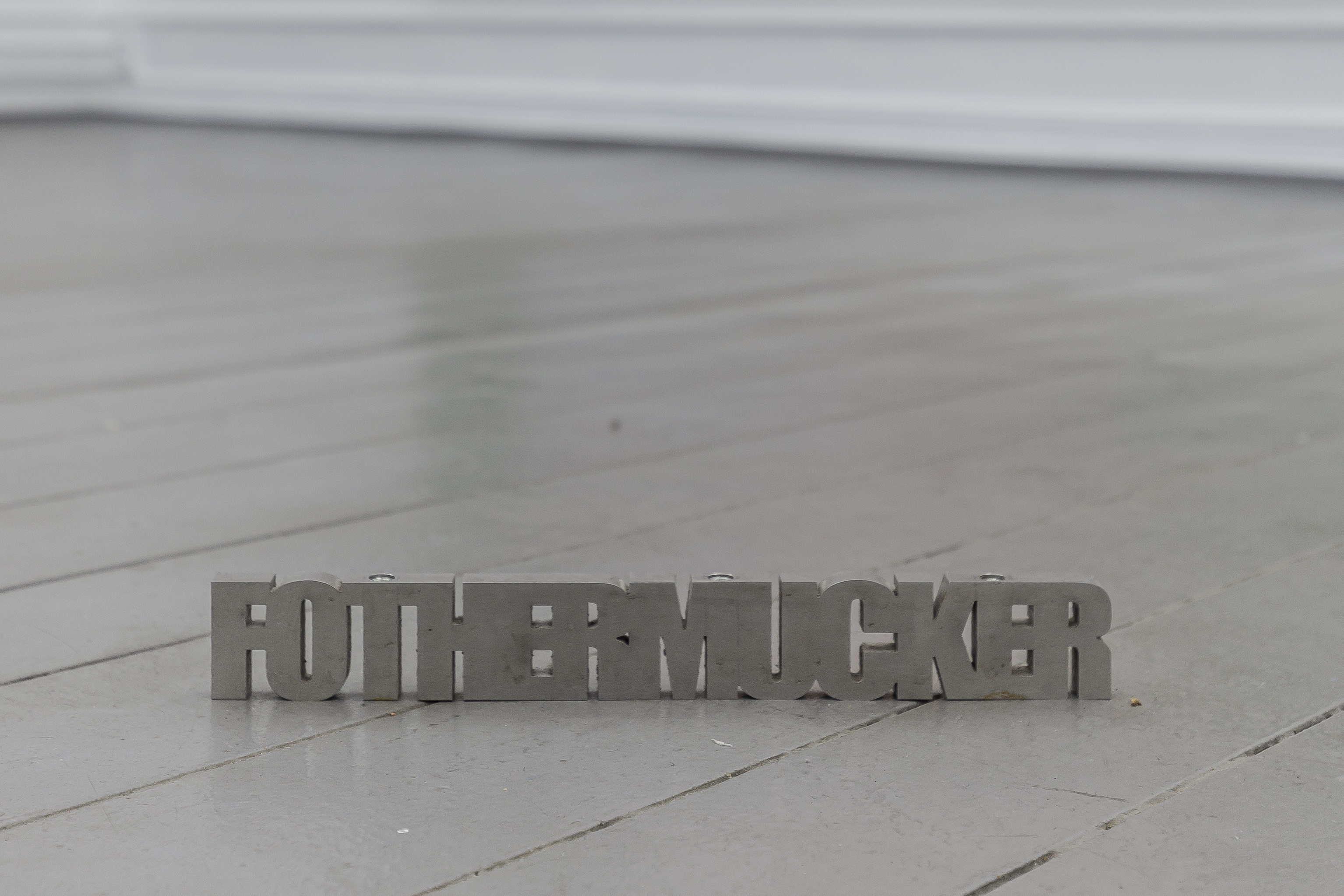
Tor Børresen's (b. 1963, Hamar) FOTHERMUCKER was shown at Fotogalleriet in 2010. On a later occasion, I encountered the work again at the home of its buyer — and kicked it a couple of times in my socks. It is not something to be recommended; it is painful. Yet I doubt I would have liked the work as much had it not inflicted that pain on me. Tor Børresen has produced a long series of gems that deserve to be shown again and again — this is an open invitation! Børresen received the Sparebankstiftelsen DNB grant at Oslo Kunstforening in 2016, and beyond an active artistic career, he was also a co-founder and curator of gallery Struts from 1994 to 1998. Tor Børresen lives and works in Oslo.
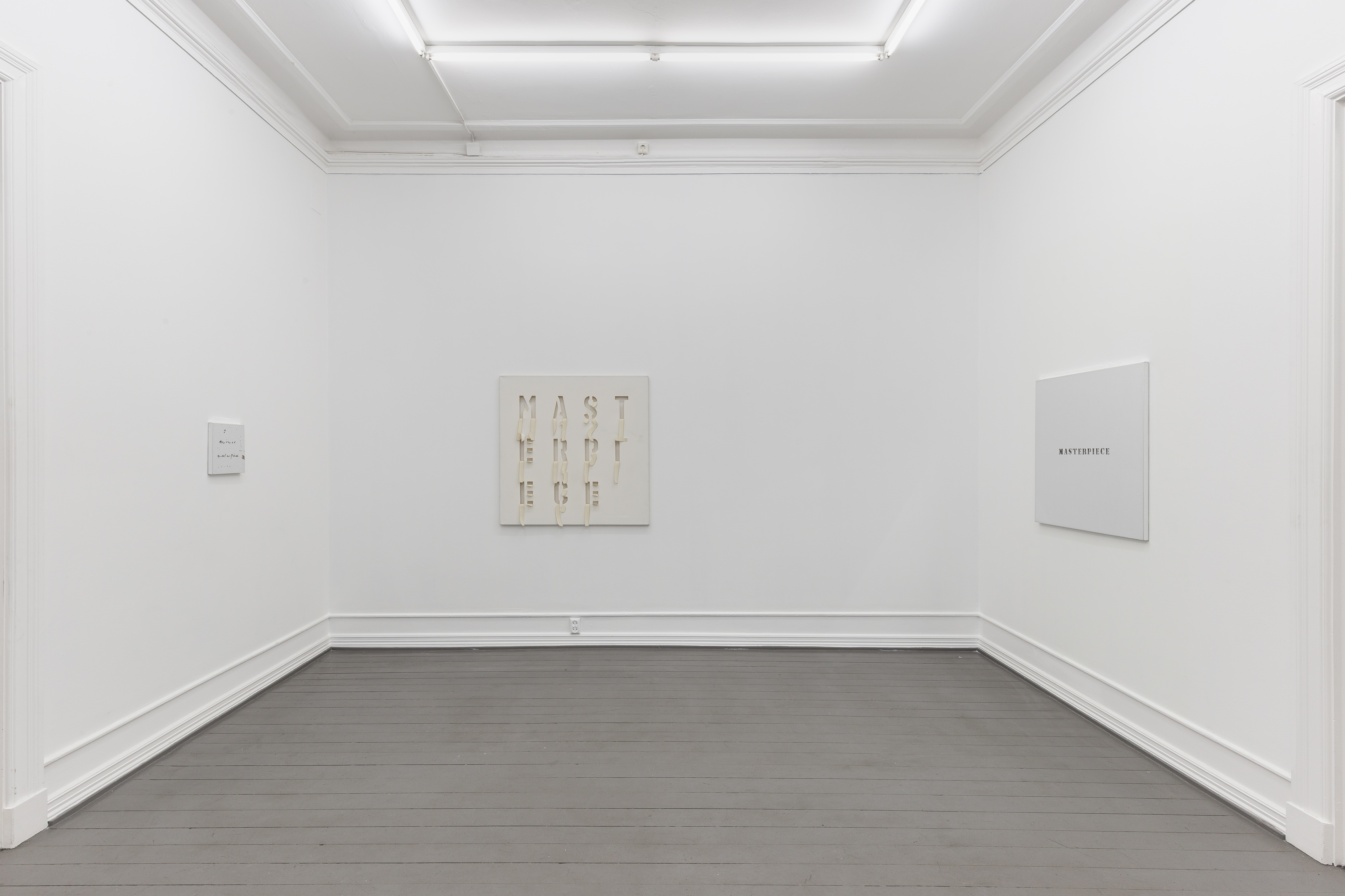
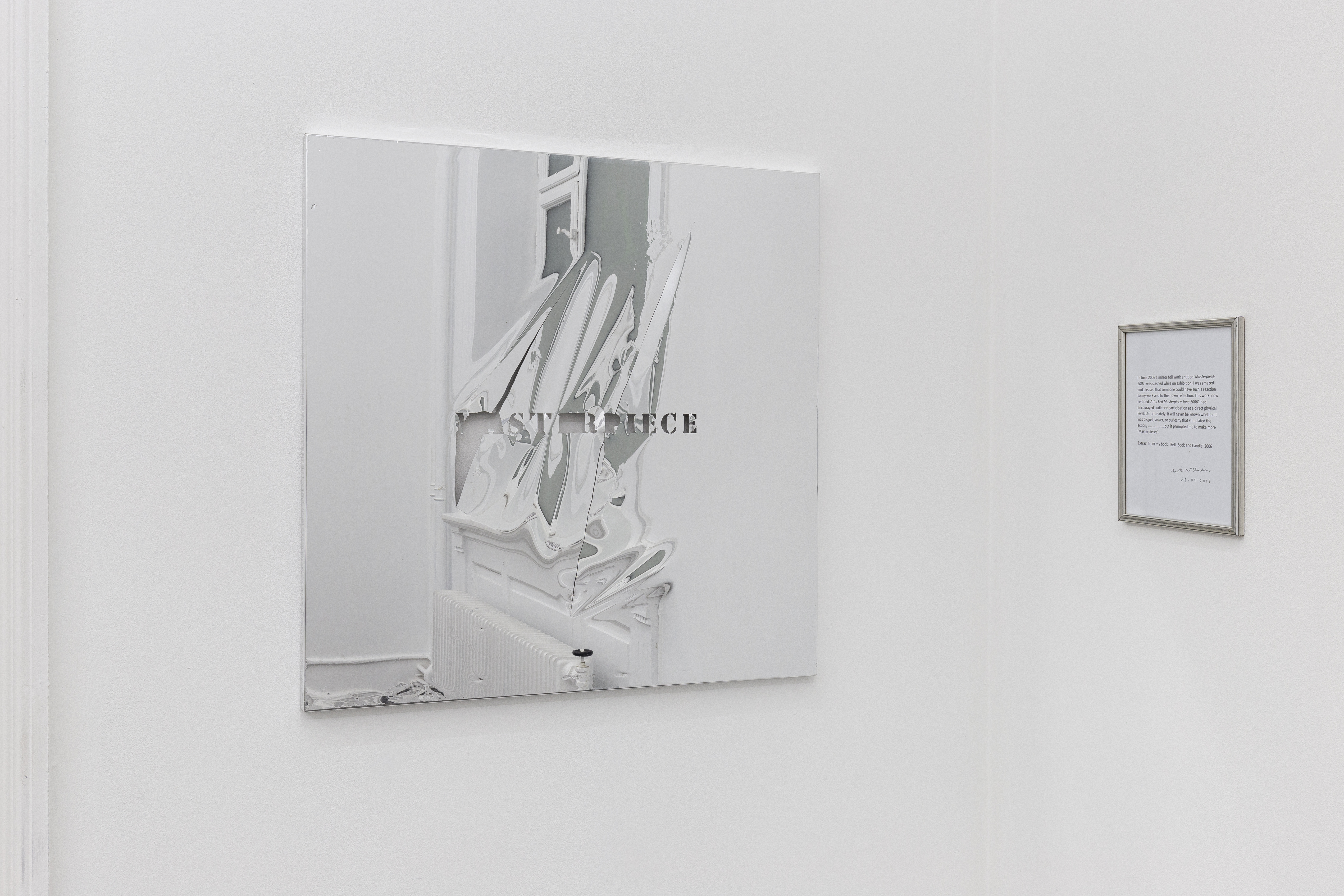
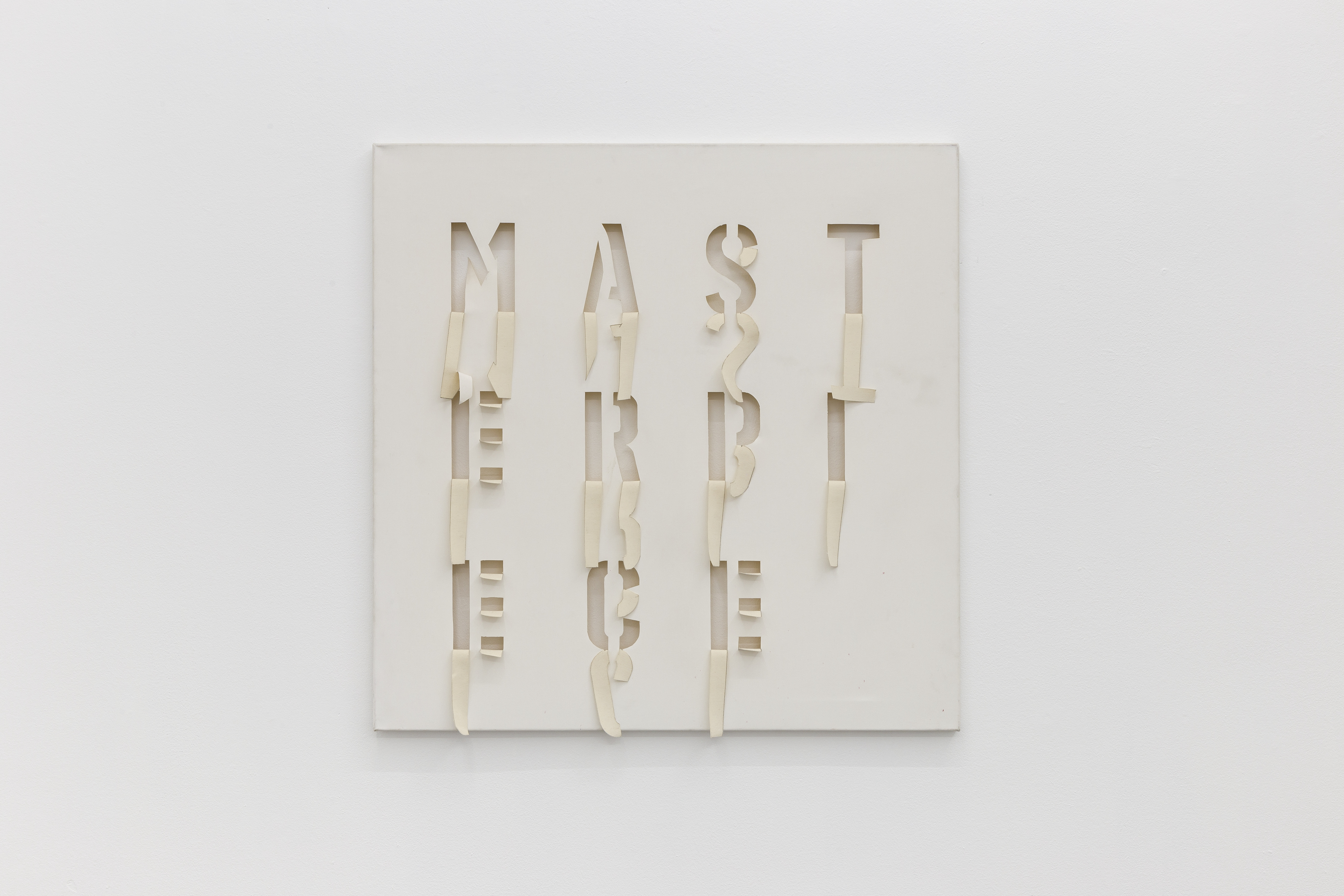
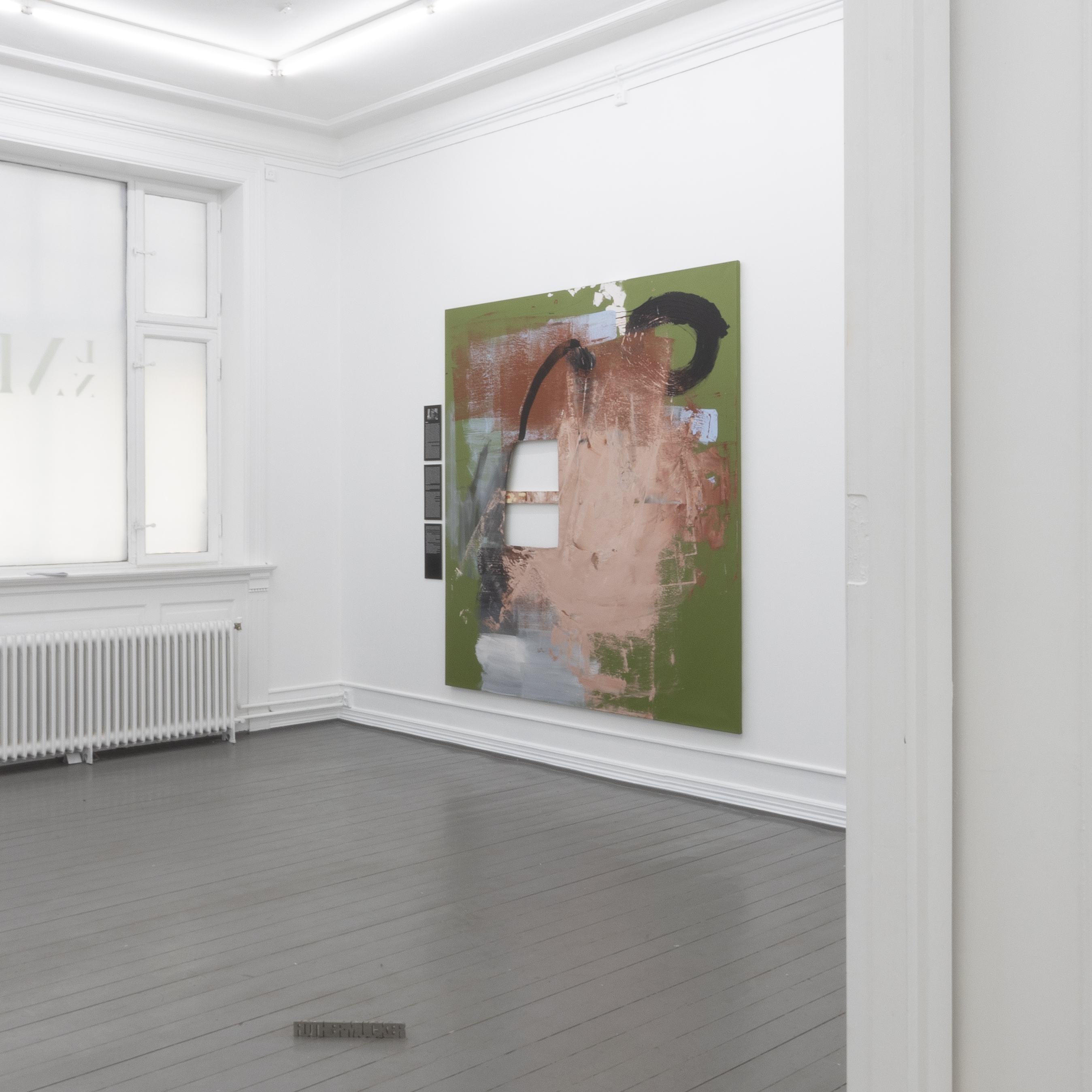
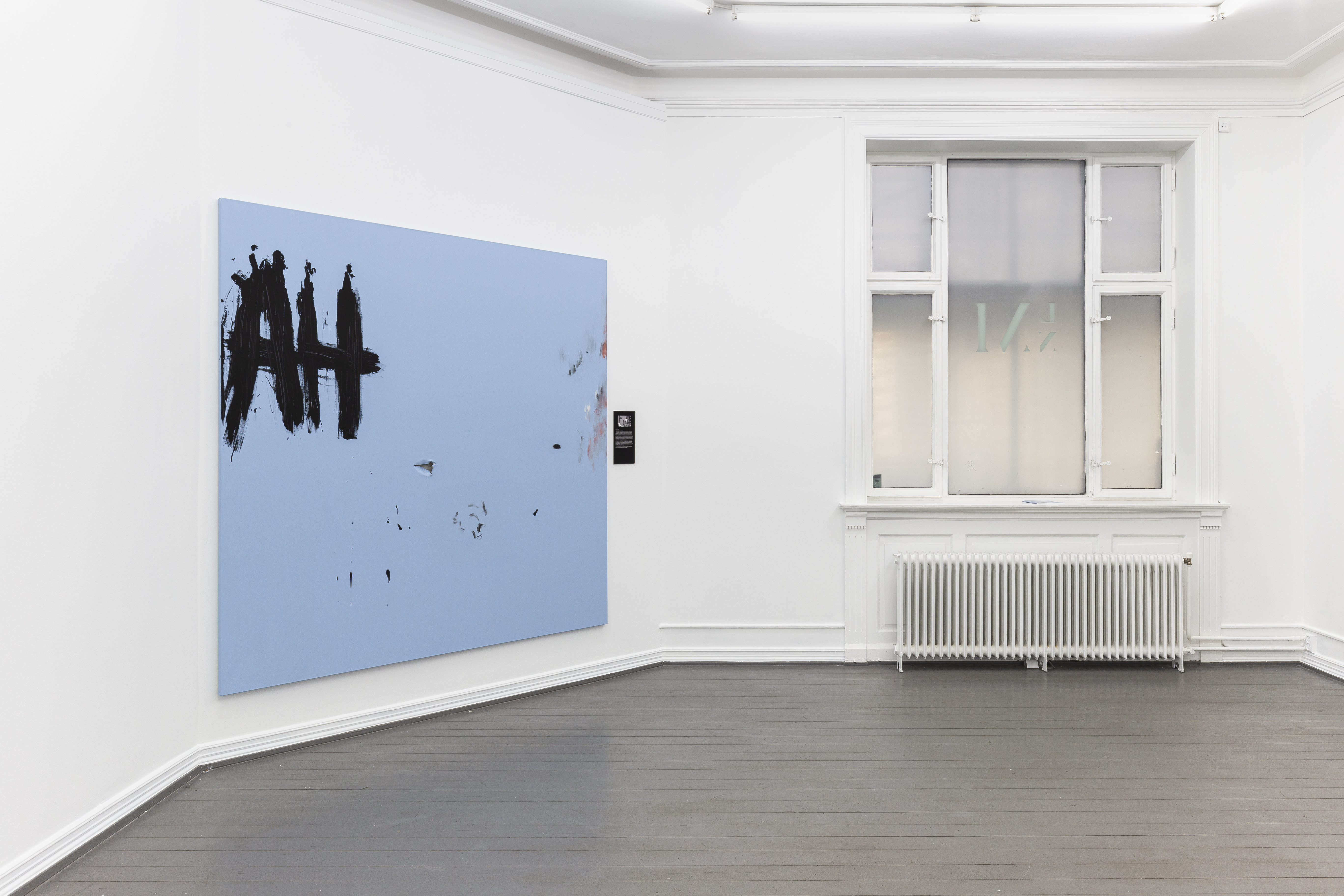
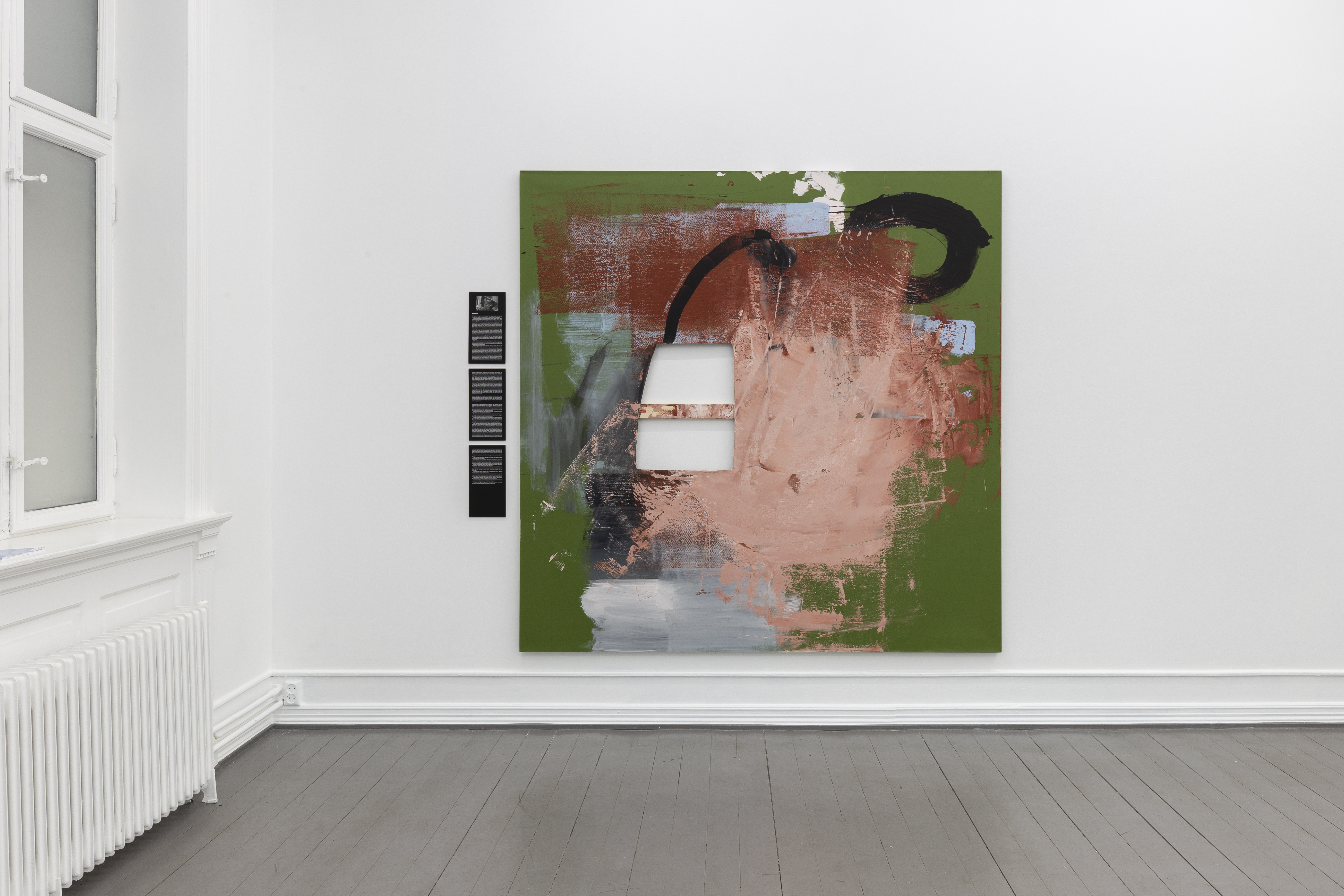
Miles McAlinden (b. 1937, United Kingdom) is, in my view, an overlooked male artist. He has lived and worked in Norway for most of his adult life, and must be among the very first artists in Norway to have adopted a conceptual approach to painting — he has been making text paintings since his twenties. The brush does not appear to be his primary tool; the knife does. He frequently cuts into the canvas, either as in the works at LNM, where he carves out words or short texts, or, on occasion, cutting across the entire canvas and stretcher, twisting it so that the canvas is deconstructed into a sculptural object. Several of the works at LNM carry the text Masterpiece. McAlinden ostensibly lays claim to creating masterpieces, though it remains somewhat ambiguous what the masterpiece actually is. This is especially true of the works made in mirror foil — it could just as easily be the viewer, reflected in the work, who is the masterpiece. McAlinden has had a long career with extensive exhibition activity, and for much of that career has also taught at art schools and academies in England, Sweden, and Norway. Miles McAlinden lives and works in Flesberg and Oslo.
Hanna Sjöstrand (b. 1978, Sweden) takes as her starting point Paul McCarthy's 1995 film Painter. In the film, McCarthy — wearing oversized rubber hands and a clown-like nose — lampoons the myth of the artistic genius, and perhaps especially the inspired male painter of modernism. With broad gestures and a playful seriousness, he attacks the canvases with enormous brushes. Hanna Sjöstrand has recreated the paintings from the film. By copying McCarthy's gestures and movements, she transforms them into autonomous works, adding a new conceptual layer. The artist trained in Gothenburg and Malmö, and has a solid exhibition record in Sweden and Norway. Hanna Sjöstrand lives and works in Oslo.
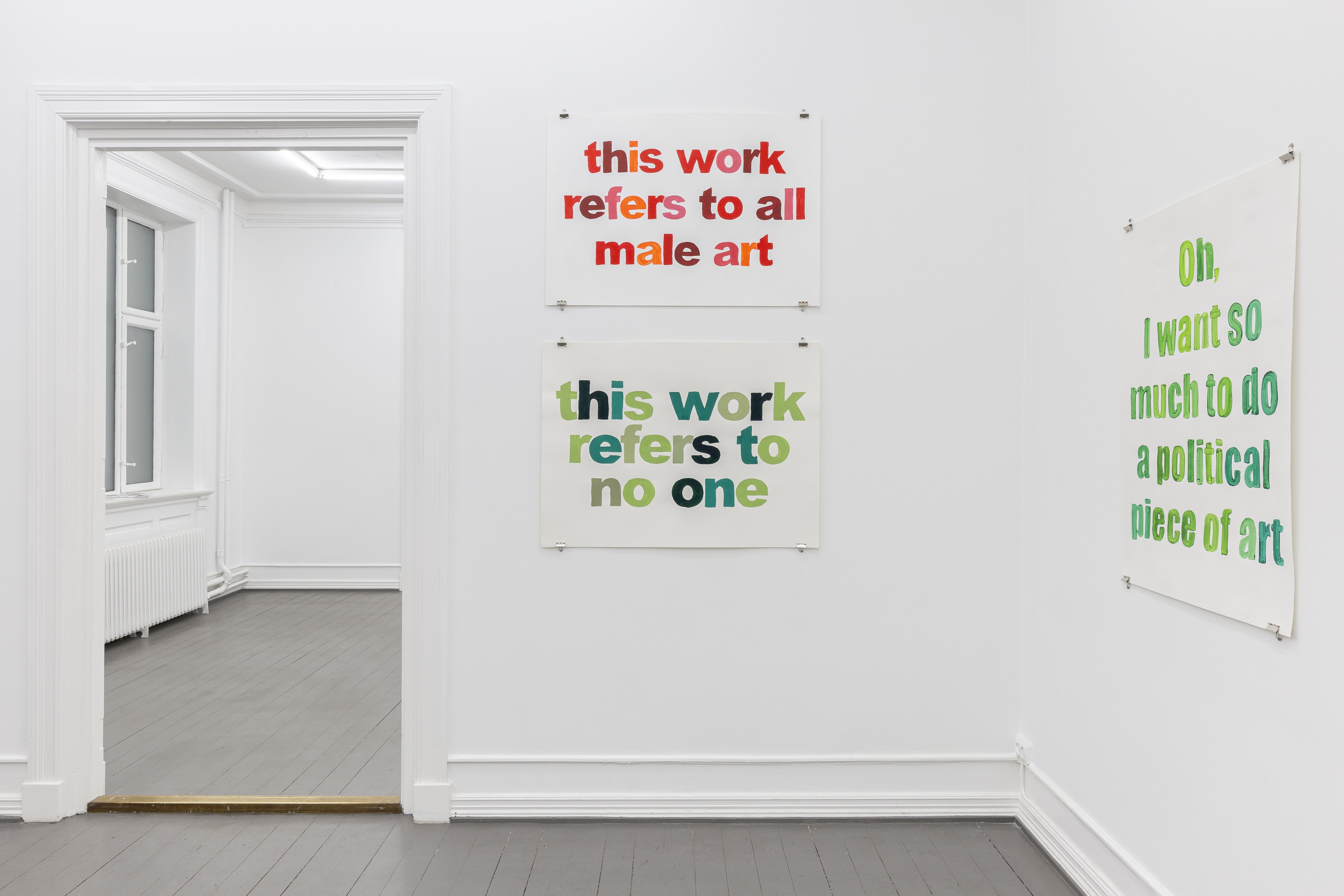
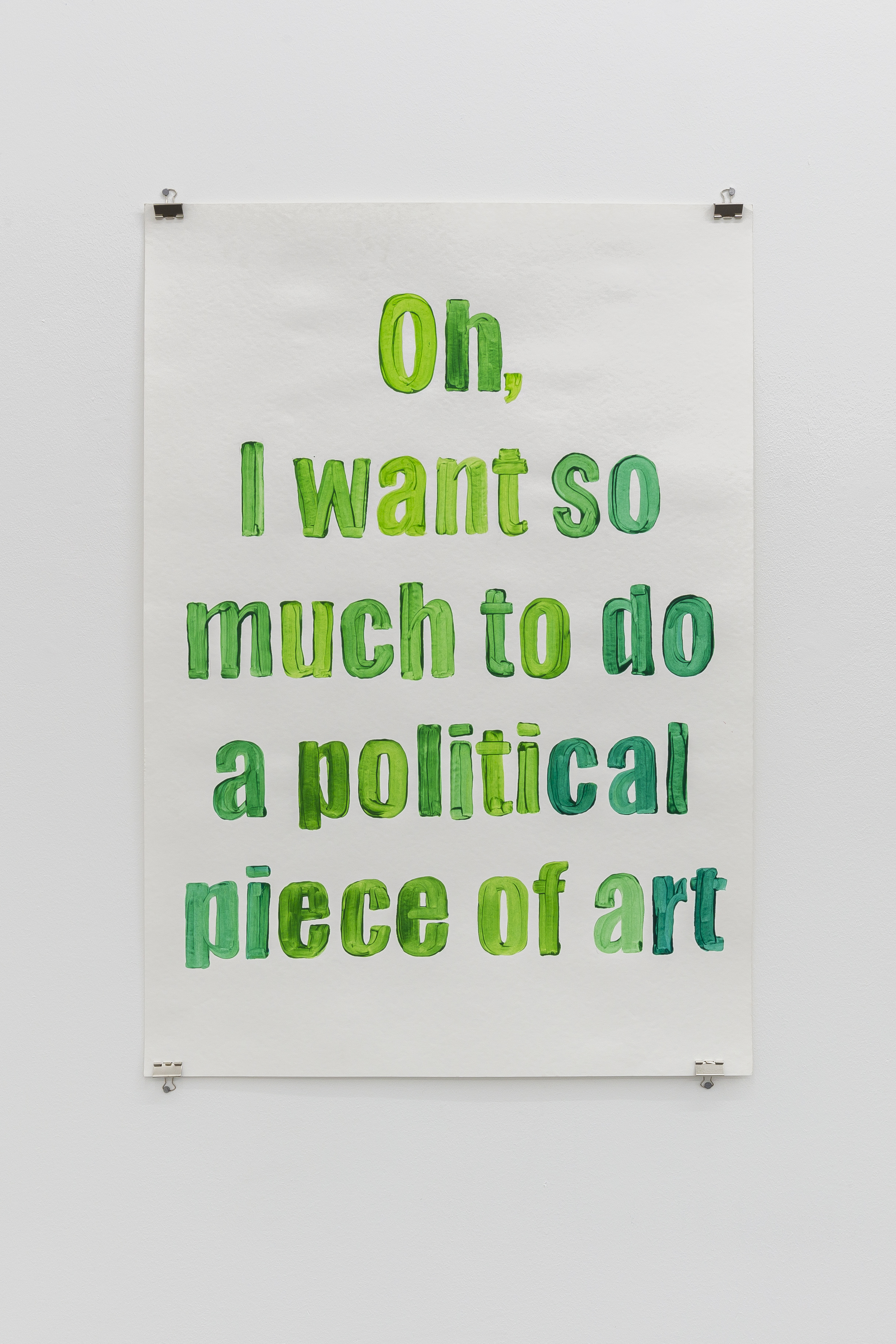
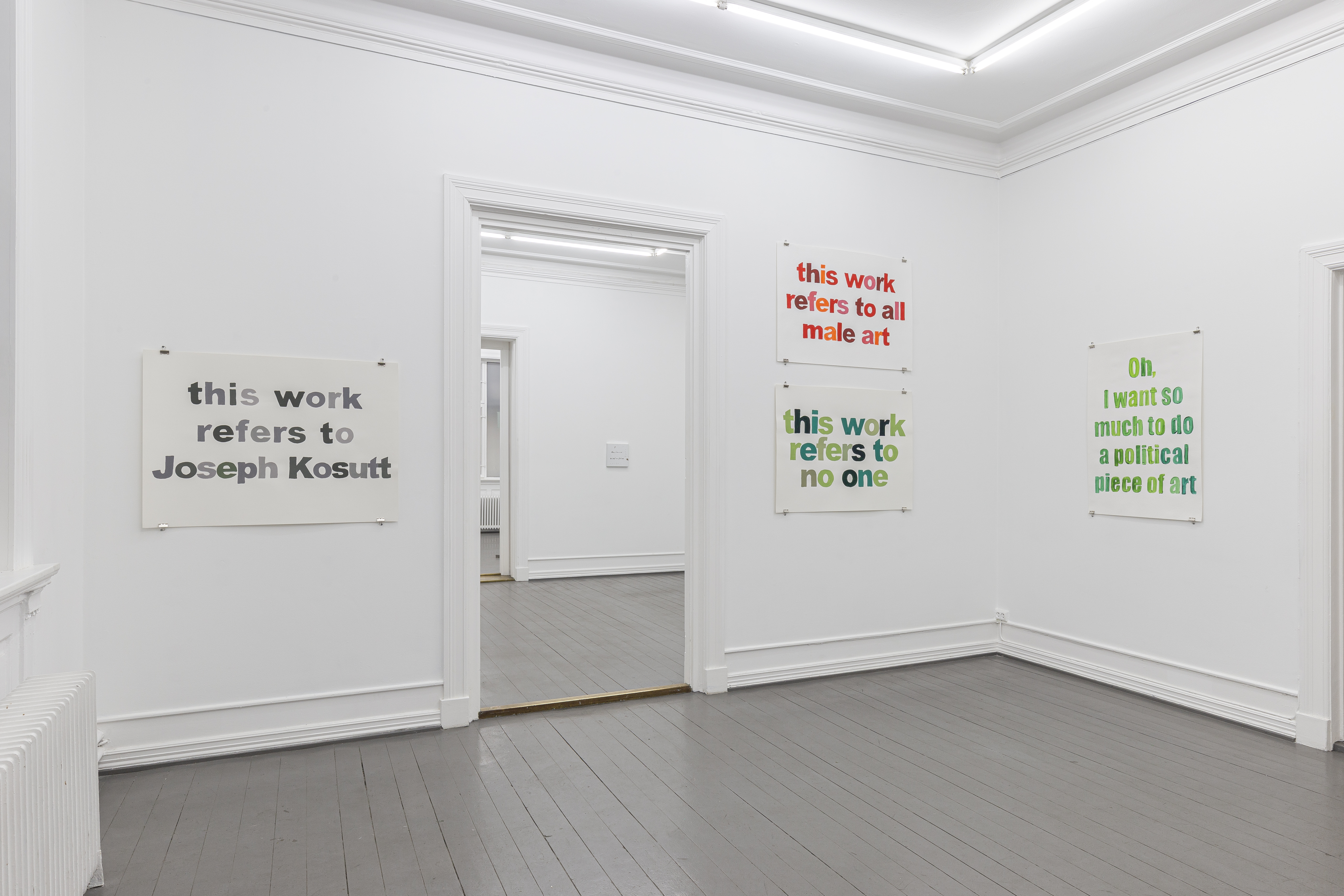
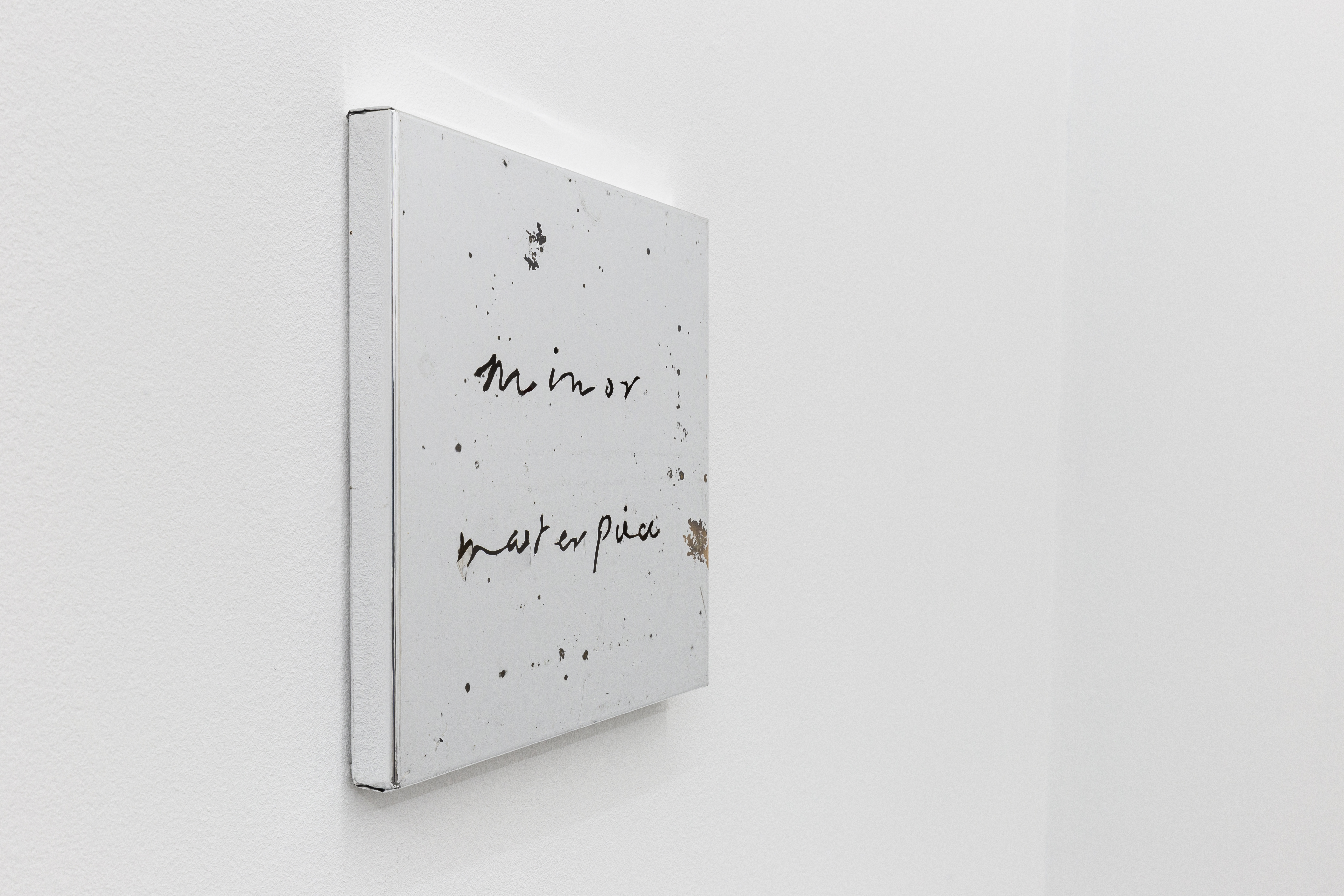
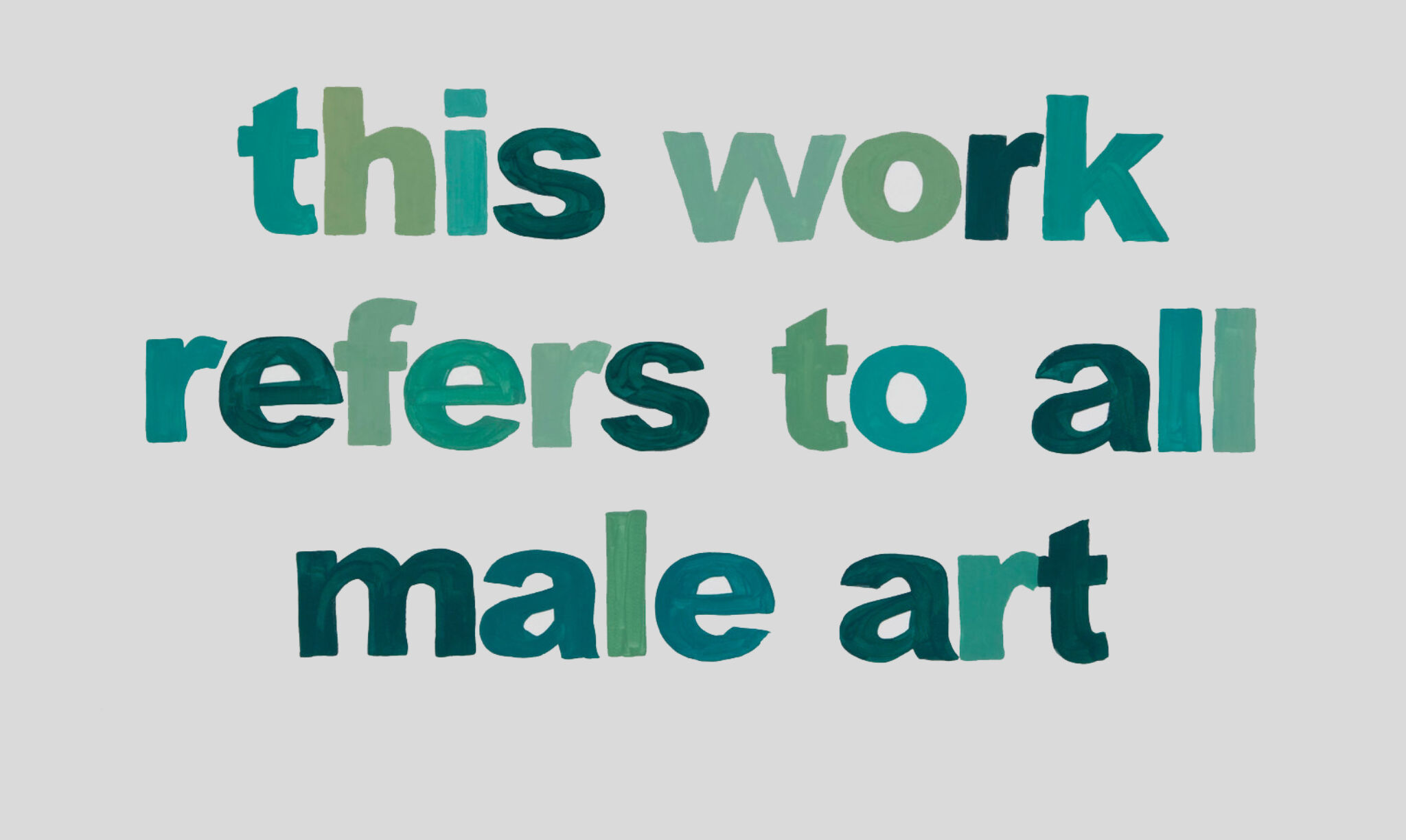
Annika Ström (b. 1964, Sweden) works with painting, film, and performance. She is no stranger to the ways in which male artists have been favoured over their female colleagues. She belongs to the generation in which the art market in particular discriminated against women. Ström has, it should be noted, had an unusually active career, receiving invitations to exhibit from around the world, from respected curators and venues. In Norway, she has participated in exhibitions at the National Museum, Stavanger Art Museum, Trondheim Art Museum, Kube in Ålesund, and gallery Struts, to name but a few. Despite also having collaborated with commercial galleries, she has had little presence in the commercial market — at least compared to her male peers. Since 2000, she has been making text works on paper and canvas. At LNM, we present a small selection of these. With a raw humour and ambiguous short phrases, she reflects on art and life. Annika Ström lives and works in Mallorca.
Randi Thommessen, curator May 2022